France faced another nationwide round of “student protests” Tuesday amid school blockades and violence. Students cite teacher shortages, overcrowded classrooms and deteriorating buildings among their grievances, while French officials accuse outside activists of exploiting the movement.
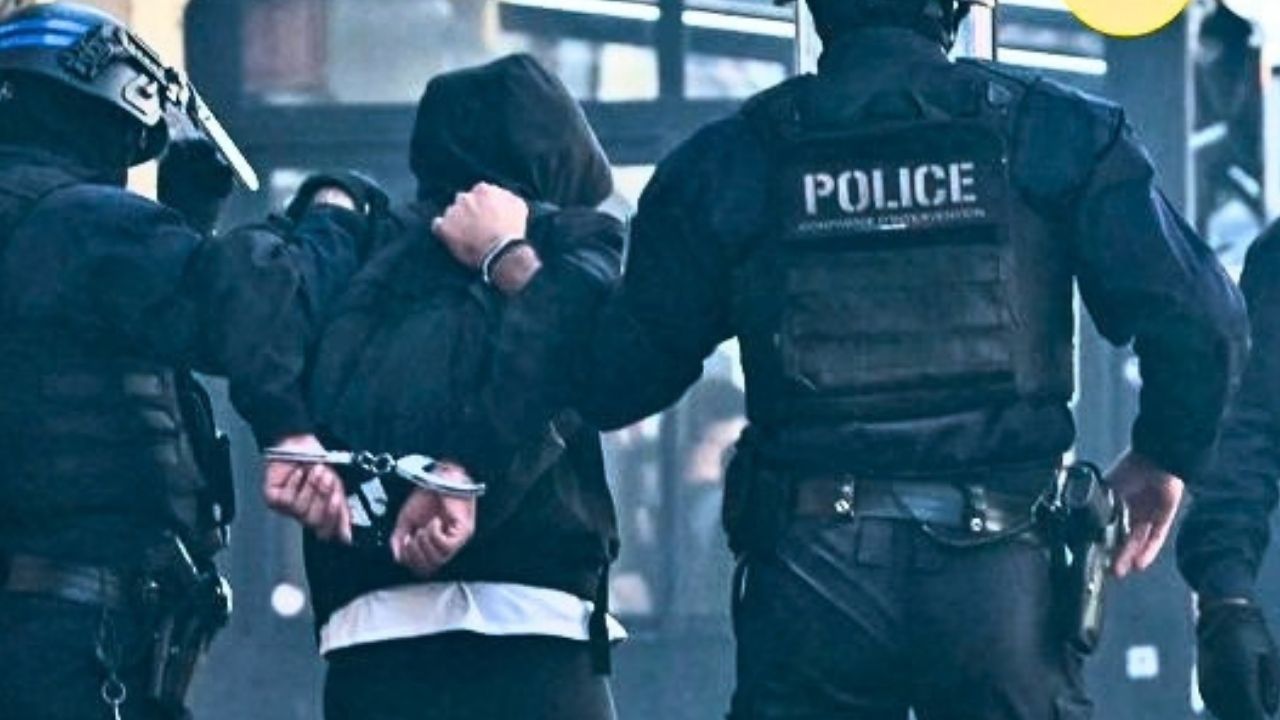
France’s Justice Ministry said in an October 5 statement that authorities had placed 5,060 people in police custody, including 4,406 minors, since the violence began.
Twenty-four schools have been burned or ransacked, while Education Minister Édouard Geffray said Monday that 190 students and 78 education employees have been injured since the movement began, Le Monde reported.
More than 600 police officers and gendarmes have also been injured, AFP reported, citing police figures.
Now French officials are accusing far-left activists and other outside agitators of exploiting those grievances and escalating violence.
Commentator Glenn Beck sees a warning for Americans, arguing that young protesters with legitimate complaints can become useful to political movements pursuing much broader goals.
In October 2 commentary, Beck described what he sees developing around the “protests” as a “red-green alliance,” said teenagers can become a “battering ram” for political activists and warned that “what’s happening there is coming to America.”
Those are Beck’s conclusions, not established findings about the French “protests”.
What students say they want
The movement began September 17 in Créteil, southeast of Paris, when students joined teachers demanding more staff and resources, according to Euronews.
Students have since complained about teacher absences, overcrowded classrooms, deteriorating buildings, lengthy school days and unequal educational opportunities.
The movement spread with extraordinary speed.
On Friday, 735 schools were affected by “protests” or disruptions, according to figures announced by Geffray. By Monday, that number had declined to 589 schools, Le Monde reported.
Then The Violence Escalated
As the “protests” spread, some demonstrations descended into fires, vandalism, attacks on police and confrontations involving tear gas and other crowd-control weapons.
Geffray said 24 schools had been burned or ransacked amid the unrest, Euronews reported.
The Justice Ministry’s figures also illustrate how heavily minors have been involved.
Of the 5,060 people placed in police custody, 4,406 were minors, or 87%, according to the ministry’s account.
Prosecutors have initiated proceedings against 1,802 people, including 1,483 minors.
The injuries have become increasingly serious.
On Monday, a 15-year-old student suffered a catastrophic hand injury involving a police grenade during clashes outside a school in Lens. The local prefect confirmed that the teenager’s hand was blown off and authorities opened an investigation into the circumstances, Reuters reported.
Authorities had not conclusively established whether the teenager picked up the grenade or whether it landed near him before exploding, according to Euronews.
French civil-liberties organizations have accused police of excessive force during some confrontations, while officers have faced projectiles, fires and attacks amid increasingly volatile demonstrations.
Are Outside Agitators Exploiting The Movement?
This is where the French school revolt becomes politically complicated.
Government officials argue that outside activists and experienced troublemakers have inserted themselves into what began as a largely student-led movement.
French authorities have particularly warned about possible participation by far-left and anarchist groups as Tuesday’s demonstrations approach, Reuters reported.
Paris Police Chief Patrice Faure has urged students to demonstrate peacefully and warned that “professional rioters” were exploiting the unrest, according to Reuters.
Hard-left politicians have openly backed the students.
Jean-Luc Mélenchon’s La France Insoumise has supported the movement while rejecting government accusations that the political left bears responsibility for the violence.
The available evidence paints a more complicated picture than either side’s broadest claims.
Reporting by Le Monde describes a student movement rooted in longstanding frustration with France’s public-school system rather than one created from the outset by an outside political organization.
At the same time, outside ideological groups may be attempting to influence or capitalize on the unrest.
Glenn Beck Sees A Warning For America
Beck argues that Americans should pay attention to the space between those two facts.
In his October 2 broadcast, Beck described the political forces he sees converging around the demonstrations as a “red-green alliance.”
He said teenagers can become a “battering ram” for activists with broader political ambitions and warned that “what’s happening there is coming to America.”
Beck’s argument is that a protest does not need to begin with revolutionary objectives to become useful to people pursuing broader political change.
Could The Same Pattern Reach America?
France has a highly centralized education system and a long political tradition of strikes, blockades and disruptive street demonstrations.
American schools are governed through a much more decentralized system involving states, local districts and the federal government.
The issues generating anger are also different.
American parents and students have fought over academic performance, curriculum, parental rights, discipline, gender policies, spending and ideological questions.
French students are primarily demanding more teachers, improved school buildings, better classroom conditions and changes to an education system they say is failing them.
But the broader dynamic Beck identifies does not require the two countries to have identical grievances.
Political movements can begin with complaints that are real and broadly understandable.
They can also attract activists whose objectives extend well beyond the issue that first put people in the streets.
France is now trying to determine whether its student movement can remain focused on education while violence and competing political interests increasingly surround it.
Tuesday Is The Next Test
Tuesday, October 6, could provide an important answer.
Student organizations have called for another nationwide day of demonstrations as the movement enters what participants have described as “Act III,” Le Monde reported.
More than 200 high schools in the Paris region were expected to be closed or operating remotely Tuesday.
The government is simultaneously trying to address student complaints and prevent further violence.
Geffray said Monday that authorities want classes to begin returning progressively toward normal operations Wednesday, Le Monde reported.
Security officials, meanwhile, are preparing for the possibility that far-left and anarchist groups could become involved in Tuesday’s demonstrations, Reuters reported.
That leaves France attempting to solve two very different problems at once.
The first is persuading students that their concerns about staffing, resources and school conditions are being heard.
The second is preventing violence and political opportunism from determining what their movement becomes.
Beck’s prediction that similar unrest will reach America remains his assessment.
The events underlying that warning are no longer hypothetical.
Provided by Dallas Express