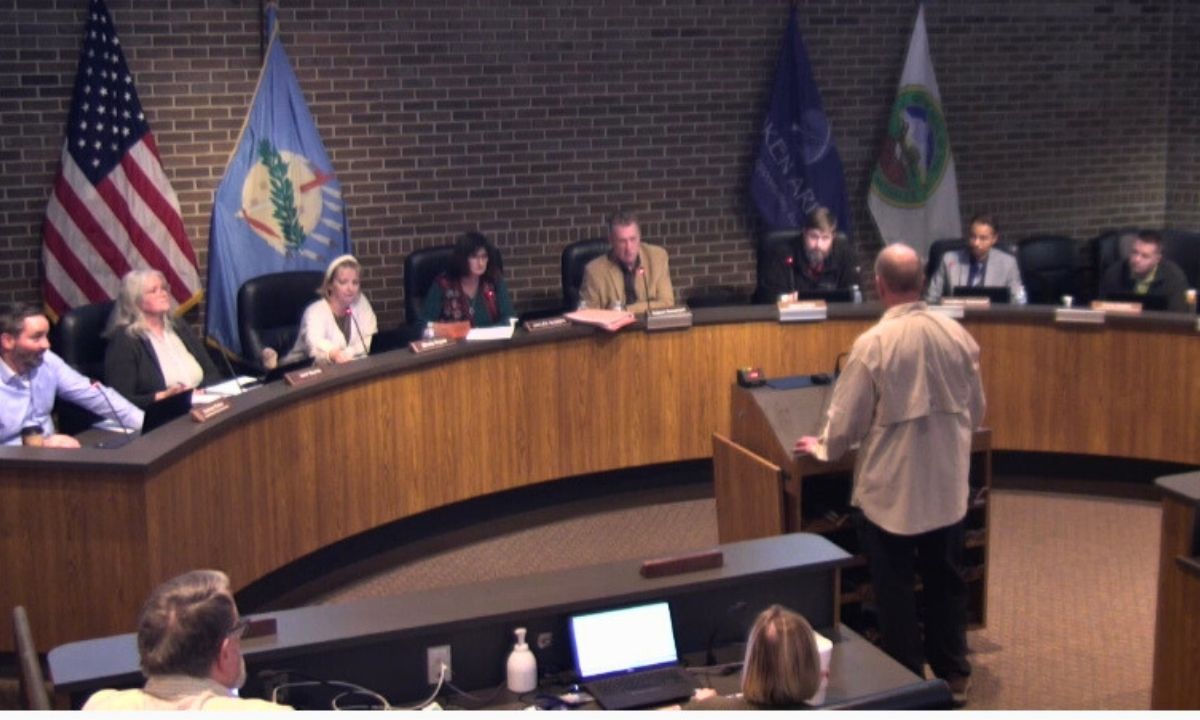
Broken Arrow, Oklahoma, is fighting to preserve its rejection of a mosque development, arguing that religious applicants must meet the same land-use requirements as other projects.
The city asked a federal judge on September 18 to dismiss the lawsuit challenging its January 12 denial of the Islamic Society of Tulsa’s rezoning request and conditional-use permit. The council voted 4-1 against the applications.
As previously reported by The Dallas Express, the planning commission recommended approval in December. The council had the final say and rejected the proposal after hearing public testimony.
Why the council said no
The society sought commercial-general zoning for roughly 15 acres along South Olive Avenue. Its proposal included a mosque and community center, with retail development at an unspecified later date.
The city’s filing cites infrastructure concerns and the lack of a concrete retail plan. Conditional-use standards require adequate services, compatibility with nearby properties and measures addressing significant adverse impacts.
Councilman Justin Green said officials should judge the application on land use and infrastructure, as they would any development. He concluded that the project was inappropriate for the current land use, according to the minutes.
City staff recommended approval and said engineering review would address infrastructure requirements. The applicant’s engineer, Nicole Watts, acknowledged floodplain constraints and the absence of nearby sewer infrastructure, but outlined drainage measures and possible septic systems. She said traffic remained below road capacity.
Attorney general challenges federal intervention
Oklahoma Attorney General Gentner Drummond (R) urged the Trump administration on July 30 to halt a Justice Department investigation into the city’s zoning practices.
“The investigation is federal overreach of the first order,” Drummond said.
He argued that demands for years of records, including residents’ communications, could discourage citizens from participating in local government.
The Islamic Society of Tulsa sued on August 3, alleging religious discrimination and unequal treatment. The city denies those allegations and argues that the complaint fails to show that suitable alternative sites or a revised application are unavailable.
Federal religious land-use protections do not automatically require approval. “RLUIPA is not a blanket exemption from zoning laws,” Justice Department guidance states. The law also prohibits religious discrimination and unequal treatment.
North Texas connection
The fight over mosque development has also reached Frisco and McKinney, as The Dallas Express has reported. Frisco’s council took no action after hours of public comments in May. Mayor Jeff Cheney said the city lacked legal grounds to block the projects under existing zoning.
McKinney approved a mosque site plan 7-0 on August 4. The applicant sought no zoning change, and staff found the plan compliant with existing rules. Broken Arrow considered both rezoning and a conditional-use permit, a material distinction in the decisions before the two councils.
Provided by Dallas Express