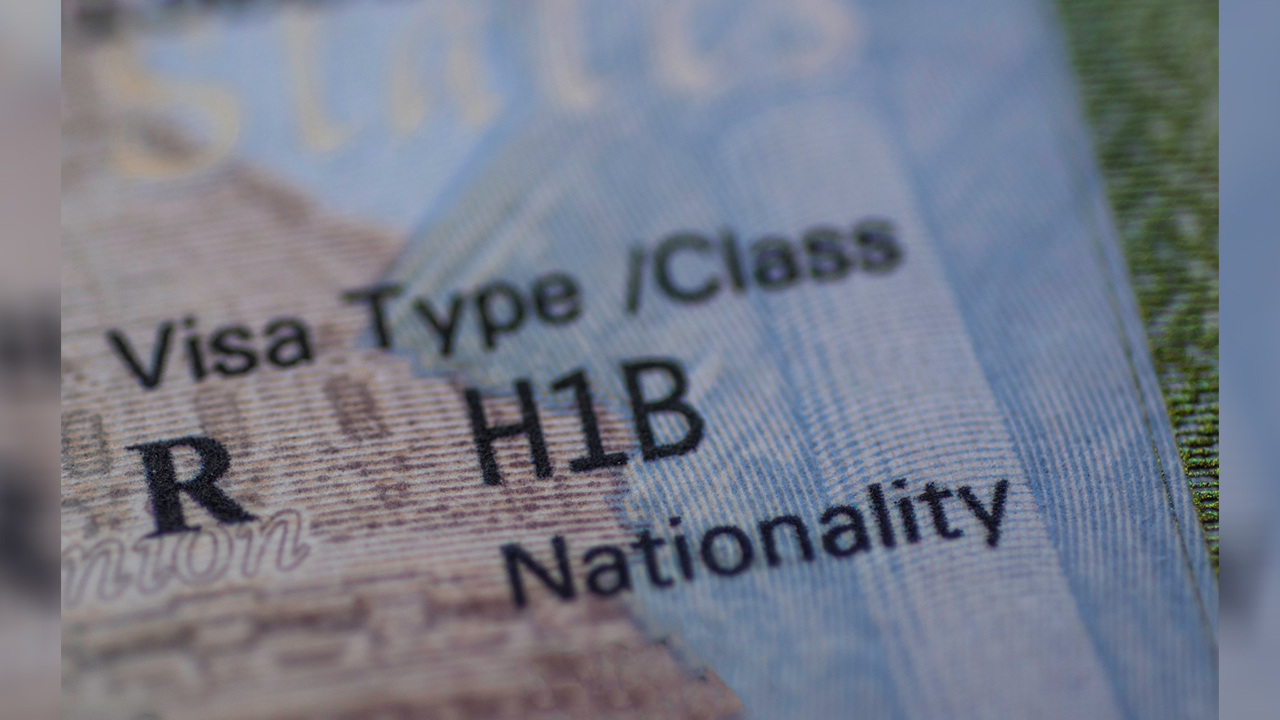
A federal proposal would eliminate the discretionary grace period of up to 60 days for H-1B and other foreign workers after a job ends. That would narrow the window for a Texas employer to sponsor a worker who wants to stay in the country after a layoff.
The Department of Homeland Security published the proposal on September 11. Public comments close November 10 at 11 p.m. Central through Regulations.gov under docket USCIS-2026-0364. The current rule remains in effect, as The Dallas Express previously reported.
Texas ranked second to California with 109,130 positions on certified labor condition applications for H-1B, H-1B1 and E-3 workers in the first nine months of fiscal 2026, the U.S. Department of Labor reported. The filings can cover renewals and transfers as well as new employment.
Protections for Texas workers
Federal law requires H-1B sponsors to pay the higher of the local prevailing wage or what they pay comparable employees. H-1B-dependent employers and those formally found to have willfully violated program rules generally must recruit U.S. workers and offer the job to any equally or better qualified U.S. applicant when seeking a nonexempt H-1B worker. They also face a ban on displacing U.S. workers from essentially equivalent jobs within 90 days before or after filing the petition.
On July 7, Texas consulting firm Creative Team LLC agreed to pay a $4,730 civil penalty after the Justice Department said it found the company restricted a job ad to H-1B visa holders without legal justification. The settlement requires recruiter training and a review of hiring policies.
Texans can report discriminatory job ads to the Justice Department. The Labor Department investigates suspected H-1B wage and displacement violations through Project Firewall.
A separate September 18 executive order directs federal agencies reviewing H-1B filings to consider whether employers laid off similarly situated U.S. workers in the previous year or plan to do so.
What changes after a layoff
The current regulation lets H-1B, H-1B1, E-1, E-2, E-3, L-1, O-1 and TN workers and their dependents maintain status for up to 60 days after a layoff or resignation, or until their authorized validity period ends if sooner. It applies once per validity period. Workers need separate authorization to work during that time.
Under the proposal, DHS says affected workers would fall out of their employment-based status the day after the job ends. They would generally have to leave unless they have another lawful basis to remain.
Eligible H-1B workers could still start a new job when the next employer files a qualifying petition or on the requested start date, whichever is later. Employers seeking to avoid a gap would need to file sooner. Labor Department review of the required labor condition application can take up to seven working days.
DHS says the change would “reduce administrative burdens” by ending case-by-case grace period reviews. Houston immigration attorney Emily Neumann warned that paid notice periods and furloughs could complicate determining when a job officially ends.
DHS estimates that new employers filed petitions for about 3,795 workers a year during the grace period, based on records that cover both layoffs and resignations. The agency anticipates possible lost pay, temporary productivity losses and more employers paying for return travel under existing H-1B and O-1 rules. DHS gave no estimate of Texas jobs gained or lost.
Provided by Dallas Express