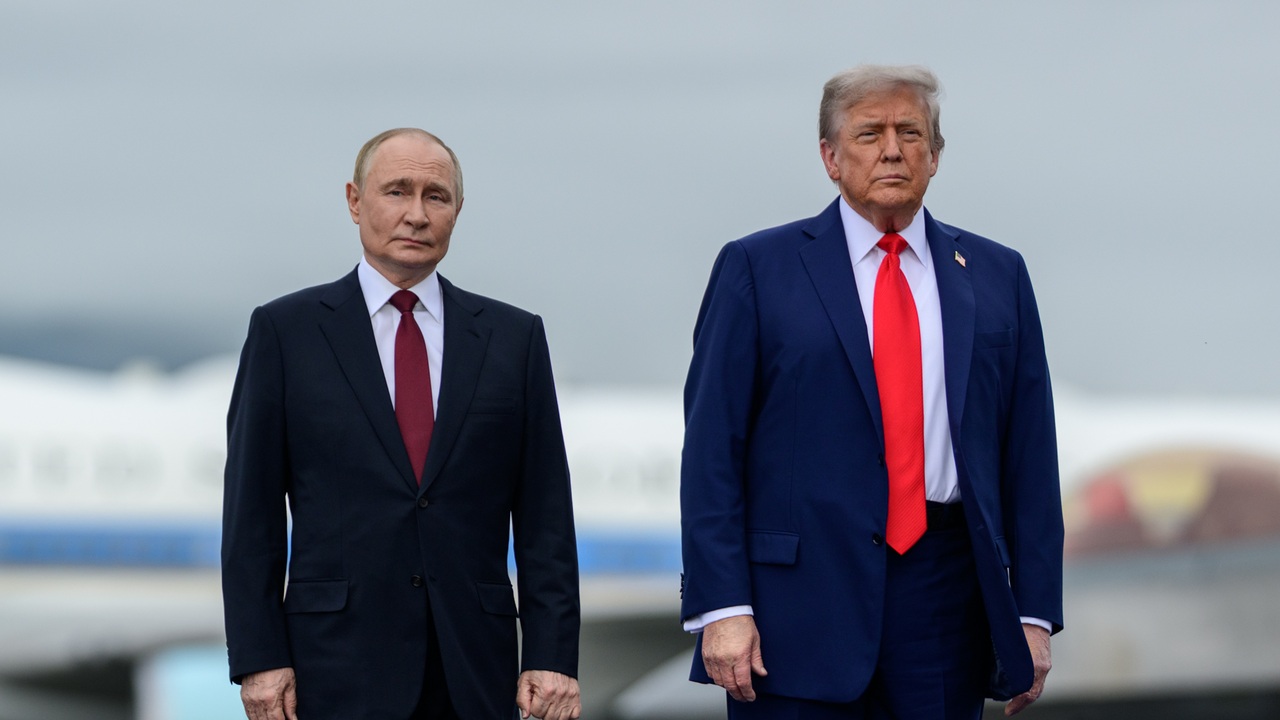
The White House defended President Donald Trump (R) on Saturday after he waived an additional 500% tariff on Russian goods and new sanctions, saying immediate enforcement would impede peace negotiations.
Trump issued the executive order Friday under the Lindsey O. Graham Sanctioning Russia and Iran Act of 2026, which he signed September 18. The order preserves sanctions already in place under existing executive orders.
Enforcing the new sanctions now “would impede ongoing U.S. efforts to negotiate” a lasting agreement between Ukraine and Russia, White House spokesperson Taylor Rogers said in a Saturday statement, ABC News reported.
Trump retains the authority to impose the new measures later if he determines they advance national interests, Rogers said.
Cornyn objects to waiver
“Lindsey would be appalled,” U.S. Sen. John Cornyn (R-Texas) wrote on X, referring to the late senator whose name appears on the law.
The decision benefits Russia and encourages further attacks, Ukrainian President Volodymyr Zelenskyy argued Saturday, ABC News reported.
Tariffs and restrictions on hold
The order sets out additional duties of 500% on Russian goods and 100% on goods from qualifying countries that buy Russian energy or facilitate sanctions evasion. It then waives those duties.
The law targets countries among the five largest importers of Russian crude oil or natural gas that knowingly make new purchases on or after October 18. It also covers the top five countries facilitating Russian oil sanctions evasion.
Other waived provisions address financial transfers, new U.S. investment in Russia, energy exports and investment, purchases of Russian sovereign debt, and sanctions on specified people, financial institutions and state-controlled entities.
The waivers have no fixed expiration date. Trump or the secretary of state can determine when further action is appropriate, with consultation involving Treasury and the U.S. trade representative as applicable.
Existing sanctions and Iran extension
Existing sanctions under executive orders addressing Russia’s harmful foreign activities remain in place. Separately, the law extends the Iran Sanctions Act of 1996 through 2031. Friday’s waivers do not cover that extension.
U.S. Rep. Michael McCaul (R-Texas), U.S. Rep. Jim Costa (D-California) and 20 colleagues called for full enforcement in an October 15 letter to Trump. They urged narrow, time-limited waivers linked to measurable reductions in support for Russia’s war and opposed deferring the law’s core provisions.
Treasury separately targeted Iranian industries and the Russia-linked A7 financial network on October 1, as The Dallas Express previously reported. A7 helped Iran evade sanctions, Treasury said.
Provided by Dallas Express